
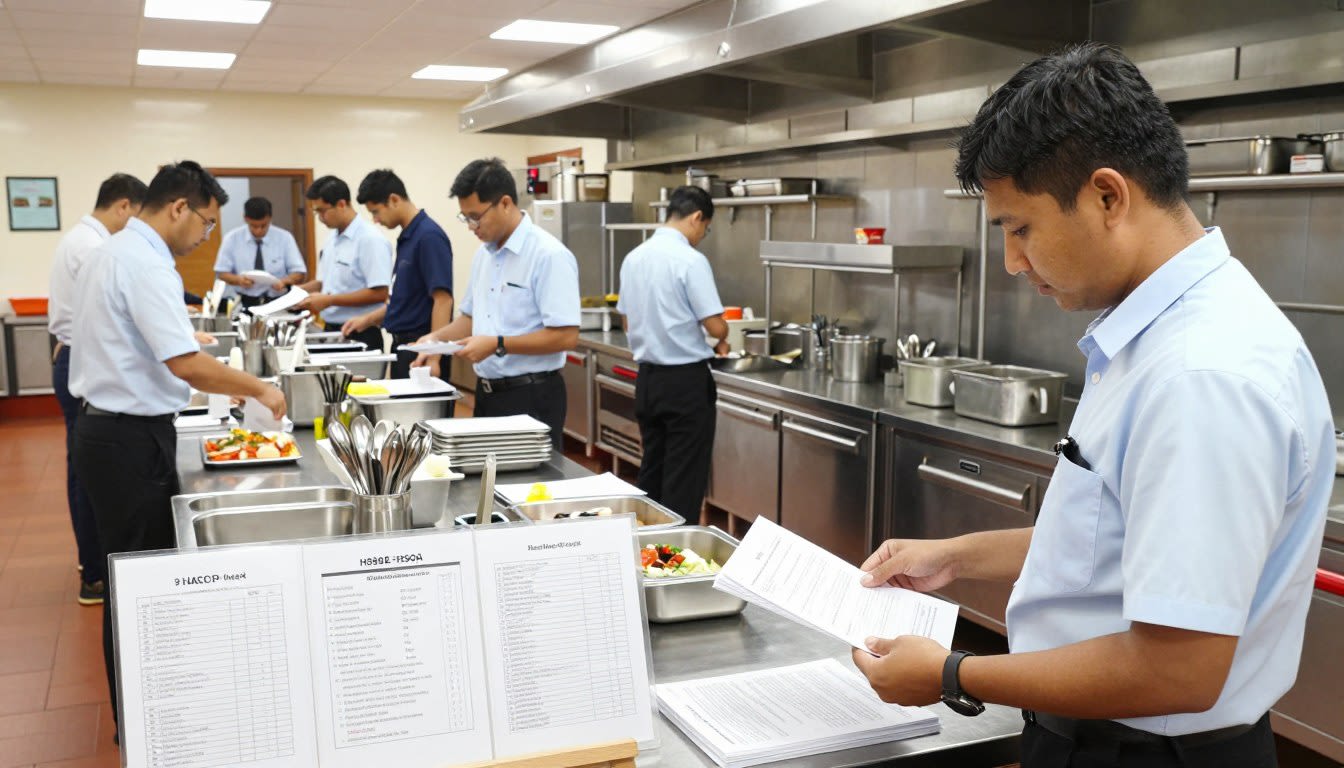
Have you ever wondered if your kitchen truly meets the rigorous standards required to serve your customers safely? Running a successful cafeteria, canteen, or catering business in India involves more than just great recipes; it requires strict adherence to food safety regulations. When an official audit arrives, being prepared is the difference between a smooth operation and a costly shutdown.

FSSAI
MealPe | Table of Contents
Proactive food safety audits help you identify gaps in your hygiene practices before they become major issues. By prioritising compliance, you protect your reputation and ensure the wellbeing of your patrons. If you need expert guidance, call MealPe on 79845 98296 or visit their website to schedule a professional audit for your establishment today.
Key Takeaways
- Regular internal audits help maintain high standards across your catering business.
- Understanding regulatory requirements is essential for avoiding penalties during inspections.
- Proper documentation of food safety processes simplifies the verification of your canteen operations.
- Professional support ensures your cafeteria remains fully compliant with national guidelines.
- Consistent staff training is vital for long-term success in food safety management.
Understanding the FSSAI Inspection Framework
Navigating the complexities of FSSAI inspections requires a thorough understanding of the inspection framework. As a food business operator, it is essential to comprehend the processes and regulations that govern food safety audits and inspections.
Food safety audits are systematic evaluations of your business’s food safety management systems. These audits assess your compliance with the Food Safety and Standards Authority of India (FSSAI) regulations, ensuring that your operations meet the required standards for food safety and quality.
What are food safety audits?
Food safety audits are comprehensive examinations of your food handling practices, including food storage, preparation, and serving. These audits verify that your business adheres to the FSSAI’s guidelines for maintaining high standards of hygiene and food safety.
| Aspect | Description | FSSAI Guidelines |
| Food Handling | Practices involved in storing, preparing, and serving food. | FSSAI regulations for safe food handling. |
| Storage Facilities | Areas designated for storing food and ingredients. | Guidelines for maintaining clean and safe storage. |
| Personal Hygiene | Staff practices related to cleanliness and health. | FSSAI standards for personal hygiene. |
The regulatory nature of FSSAI inspections
FSSAI inspections are regulatory in nature, meaning they are conducted to ensure compliance with the legal requirements set forth by the FSSAI. These inspections can be scheduled or unannounced and are a critical component of maintaining public health and safety.
The regulatory nature of FSSAI inspections underscores the importance of being prepared at all times. By understanding the inspection framework and what to expect during an inspection, you can ensure that your business remains compliant and avoids potential penalties.
Essential Steps to Prepare Your Business for FSSAI Inspections
The key to a successful FSSAI inspection lies in thorough preparation and a proactive approach to food safety and hygiene. To achieve this, you need to focus on several critical areas that form the backbone of FSSAI compliance.
Conducting Regular Internal Food Hygiene Audits
Regular internal audits are vital for identifying potential issues before they become major problems. These audits help you assess your current practices against FSSAI standards, allowing you to make necessary adjustments. By conducting these audits regularly, you can ensure that your business maintains high standards of food hygiene and safety.
Internal audits should cover all aspects of your operations, from food handling and storage to waste management and staff hygiene practices. This comprehensive approach ensures that every facet of your business is aligned with FSSAI requirements.
Maintaining Comprehensive Documentation and Records
Maintaining detailed records is another crucial step in preparing for FSSAI inspections. Your documentation should include records of food sourcing, storage temperatures, cleaning schedules, and staff training programs. Accurate and comprehensive documentation not only helps in demonstrating compliance but also in tracing the source of any issues that may arise.
| Documentation Type | Purpose | Retention Period |
| Food Sourcing Records | Traceability and Quality Control | 2 years |
| Storage Temperature Logs | Ensuring Safe Storage Conditions | 1 year |
| Cleaning Schedules | Maintaining Hygiene Standards | 6 months |
Investing in Consistent Staff Training Programmes
Staff training is a cornerstone of FSSAI compliance. Your employees are the frontline defenders of food safety, and their understanding of proper practices is crucial. Regular training programs help ensure that staff are aware of and adhere to the latest food safety protocols and regulations.
Training should cover a range of topics, including personal hygiene, proper food handling techniques, and the importance of maintaining accurate records. By investing in your staff, you not only improve compliance but also enhance overall operational efficiency.
Optimising Food Storage and Handling Protocols
Proper food storage and handling protocols are essential for maintaining high food safety standards in your cafeteria, canteen, or catering business. Effective management of these protocols not only ensures compliance with FSSAI regulations but also protects your customers’ health and your business reputation.
To achieve optimal food storage and handling, focus on implementing a few critical practices. These include managing your inventory effectively, ensuring storage areas are designed to prevent contamination, and maintaining the right temperatures for stored food items.
Implementing First-In-First-Out Inventory Rotation
One of the key strategies in food storage is adopting a first-in-first-out (FIFO) inventory rotation system. This means that the oldest stock should be used or sold before newer stock. To implement FIFO effectively:
- Label all food items with the date they were received.
- Ensure that staff understand the importance of using older stock first.
- Regularly check inventory levels to identify and use or dispose of near-expired items.
Preventing Cross-Contamination in Storage Areas
Cross-contamination can occur when bacteria or other contaminants are transferred from one food item to another, often through improper storage. To prevent this:
- Store raw foods below cooked or ready-to-eat foods.
- Use separate storage areas or containers for different types of food.
- Ensure all storage containers are clean and covered.
Maintaining Appropriate Temperature Controls
Temperature control is critical in preventing bacterial growth. You should:
- Store perishable foods at the correct temperature (below 5°C for chilled foods).
- Regularly check the temperature of your storage units.
- Have a backup plan in case of equipment failure, such as alternative storage or emergency procedures.
By focusing on these key areas, you can significantly improve your food storage and handling practices, reducing the risk of contamination and ensuring a safer food environment for your customers.
Establishing Standard Operating Procedures for Compliance
Establishing clear standard operating procedures is a key step in maintaining FSSAI compliance and ensuring food safety. Standard operating procedures (SOPs) serve as the backbone of your food business’s operational efficiency and regulatory adherence.
By developing and implementing comprehensive SOPs, you can ensure that your cafeteria, canteen, or catering service operates consistently and meets the required food safety standards.
Developing Written Procedures for Critical Activities
To start, it’s essential to identify critical activities within your operation that directly impact food safety and quality. These may include food handling, storage, preparation, and serving processes.
For each critical activity, you should develop detailed, written procedures that outline the steps to be followed, the personnel responsible, and the expected outcomes.
- Food receiving and inspection procedures
- Storage and inventory management protocols
- Food preparation and cooking guidelines
- Cleaning and sanitation schedules
- Waste disposal and management practices
These written procedures should be clear, concise, and accessible to all relevant staff members.
Ensuring Staff Adherence to Established Protocols
Developing SOPs is only the first step; ensuring that your staff adheres to these procedures is equally crucial. This involves comprehensive training programmes that educate staff on the importance of SOPs and their role in maintaining compliance.
Regular training sessions, workshops, and drills can help reinforce the procedures and ensure that staff understand their responsibilities.
Additionally, it’s vital to monitor and audit staff compliance with SOPs regularly. This can be achieved through internal audits, feedback mechanisms, and performance evaluations.
By fostering a culture of compliance and continuous improvement, you can ensure that your business remains aligned with FSSAI regulations and maintains high standards of food safety.
Key HSEQ Food Audit Checklist Items
Ensuring your cafeteria, canteen, or catering business is prepared for FSSAI inspections involves a thorough understanding of the key HSEQ food audit checklist items. A comprehensive checklist helps in maintaining high standards of food safety and hygiene, thereby ensuring compliance with regulatory requirements.
Personal Hygiene and Health Standards
Maintaining high personal hygiene and health standards is crucial in a food business. This includes ensuring that all staff members:
- Wear clean uniforms and protective clothing
- Practice regular handwashing with soap and water
- Are free from infectious diseases
- Use gloves when handling food
Regular training and monitoring are essential to enforce these practices.
Food Handling and Storage Requirements
Proper food handling and storage are critical to preventing contamination and ensuring food safety. Key practices include:
- Storing food at the correct temperatures
- Labelling and dating stored food
- Implementing a first-in-first-out inventory system
- Preventing cross-contamination between raw and cooked foods
Cleaning and Sanitation Practices
Effective cleaning and sanitation practices are vital for maintaining a hygienic environment. This involves:
- Regularly cleaning and sanitising equipment and surfaces
- Using appropriate cleaning chemicals
- Ensuring that all staff understand cleaning protocols
Facility and Structural Hygiene Maintenance
Maintaining the hygiene and integrity of your facility is also crucial. This includes:
- Regular maintenance of buildings and equipment
- Ensuring proper waste disposal
- Controlling pests and rodents
By focusing on these key areas, you can ensure that your business is well-prepared for FSSAI inspections and maintains high standards of food safety and hygiene.
Navigating the Different Types of Food Safety Audits
To maintain high standards of food safety, it’s vital to be aware of the various audits your business may undergo. Food safety audits are a critical component of ensuring compliance with FSSAI regulations and maintaining customer trust.
There are several types of food safety audits, each serving a distinct purpose. Understanding these differences is essential for preparing your business for the audit process and ensuring that you are always audit-ready.
Internal Audits for Continuous Improvement
Internal audits are conducted by your own staff to assess the effectiveness of your food safety management system. These audits help identify areas for improvement and ensure that your operations are aligned with FSSAI regulations.
By conducting regular internal audits, you can proactively address any non-compliances and implement corrective actions before an external audit takes place. This not only helps in maintaining high food safety standards but also reduces the risk of non-compliance during official inspections.
Third-Party Audits for Unbiased Assessments
Third-party audits are conducted by external auditors who are not affiliated with your business. These audits provide an unbiased assessment of your food safety management system and help verify compliance with FSSAI regulations.
Third-party audits can be particularly useful for businesses looking to demonstrate their commitment to food safety to customers, stakeholders, or regulatory bodies. The unbiased nature of these audits lends credibility to the findings, providing assurance that your business is operating to the required standards.
HACCP Audits for Hazard Analysis
HACCP (Hazard Analysis and Critical Control Points) audits focus on identifying and controlling hazards in the food production process. These audits are crucial for ensuring that your business has a systematic approach to managing food safety risks.
During a HACCP audit, auditors will assess your business’s ability to identify critical control points, establish effective monitoring procedures, and implement corrective actions when necessary. By maintaining a robust HACCP system, you can significantly reduce the risk of food safety incidents and ensure compliance with FSSAI regulations.
In conclusion, understanding the different types of food safety audits is essential for maintaining high standards of food safety and ensuring compliance with FSSAI regulations. By being aware of internal audits, third-party audits, and HACCP audits, you can better prepare your business for the audit process and maintain customer trust.
Critical Areas Examined During FSSAI Inspections
During an FSSAI inspection, several critical areas are thoroughly examined to ensure your cafeteria, canteen, or catering business complies with food safety regulations. These inspections are designed to assess your business’s adherence to food safety standards, and being aware of the key areas of focus can help you prepare effectively.
Documentation and Record-Keeping Verification
One of the primary areas inspectors focus on is the documentation and record-keeping practices within your establishment. This includes verifying that you maintain accurate and comprehensive records of food storage, handling, and disposal. Ensuring that your documentation is up-to-date and readily accessible is crucial for a smooth inspection process.
Key documents that are typically scrutinized include:
- Food storage and inventory records
- Temperature logs for storage and cooking equipment
- Cleaning and sanitation schedules
- Staff training records
Food Quality, Safety, and Temperature Monitoring
Inspectors also place significant emphasis on food quality, safety, and temperature monitoring practices. This involves checking that your business adheres to proper food handling and storage procedures to prevent contamination and ensure food is consumed within safe temperature ranges.
To comply with FSSAI standards, you should:
- Regularly monitor food temperatures during storage and cooking.
- Implement effective pest control measures.
- Ensure proper segregation of raw and cooked foods.
Labeling, Packaging, and Allergen Declarations
Another critical area of focus is the labeling, packaging, and declaration of allergens in food products. Inspectors verify that your business correctly labels food items with ingredient information, allergen warnings, and other relevant details to protect consumer health.
To meet FSSAI requirements, ensure that:
- All packaged foods are labeled with necessary information.
- Allergen information is clearly declared.
- Packaging materials are safe and compliant with regulations.
Utilising Professional Food Safety Audit Services
Professional food safety audits are an indispensable tool for businesses seeking to enhance their compliance and operational efficiency. By leveraging expert audit services, you can identify areas of improvement and ensure that your cafeteria, canteen, or catering business adheres to the highest standards of food safety.
Why professional audits are essential for your business
Professional food safety audits offer a comprehensive evaluation of your business’s food safety practices. These audits are conducted by experts who understand the intricacies of food safety regulations and can provide actionable insights to improve your operations.
The benefits of professional audits include:
- Enhanced compliance with FSSAI regulations
- Identification of potential risks and areas for improvement
- Improved operational efficiency
- Better staff training and awareness
| Benefits of Professional Audits | Description | Impact on Business |
| Enhanced Compliance | Ensures adherence to FSSAI regulations | Reduced risk of non-compliance penalties |
| Risk Identification | Identifies potential risks and areas for improvement | Proactive risk management |
| Operational Efficiency | Improves operational processes and practices | Increased productivity and cost savings |
How to contact MealPe for expert food safety audits
MealPe offers comprehensive food safety audit services tailored to the needs of your business. To avail of their expert services, you can reach out through the following channels:
Call MealPe on 79845 98296 for immediate assistance
For immediate support and to schedule an audit, you can call MealPe directly. Their team is available to address your queries and provide guidance on the audit process.
Visit the MealPe website for comprehensive audit services
Alternatively, you can visit the MealPe website at https://www.mealpe.app/services/food-audit-as-a-service to learn more about their food safety audit services and schedule an audit.
The Benefits of Regular Food Safety Audits
By implementing regular food safety audits, you can proactively manage risks and improve operational efficiency. Regular audits are not just a regulatory necessity but a strategic tool that can enhance various aspects of your cafeteria, canteen, or catering business.
Regular food safety audits provide multiple benefits, ranging from enhancing your brand’s reputation to improving your bottom line. These audits help in identifying potential risks and areas for improvement, ensuring that your business operates at the highest standards of food safety and quality.
Enhancing Brand Credibility and Customer Trust
One of the significant benefits of regular food safety audits is the enhancement of your brand’s credibility and customer trust. When you demonstrate a commitment to food safety through regular audits, you reassure your customers that their health and well-being are your top priority.
This commitment to food safety can be a key differentiator in a competitive market. Customers are more likely to choose a business that has a proven track record of maintaining high food safety standards. Moreover, a good audit record can enhance your reputation among suppliers, partners, and regulatory bodies.
Financial Protection through Proactive Risk Management
Regular food safety audits also offer financial protection by identifying potential risks before they become major issues. By proactively managing these risks, you can avoid costly recalls, legal liabilities, and reputational damage.
For instance, an audit might reveal a potential contamination risk in your storage practices. By addressing this issue promptly, you can prevent a potential outbreak that could have severe financial and reputational consequences.
Improving Operational Efficiency and Profit Margins
Food safety audits can also lead to improvements in operational efficiency and profit margins. By identifying inefficiencies and areas for improvement, audits can help streamline your operations, reduce waste, and optimise resource utilisation.
For example, an audit might highlight that certain food handling practices are not only risky but also inefficient. By changing these practices, you can reduce food spoilage, lower operational costs, and improve your overall profitability.
Tools and Resources for Effective Self-Assessment
To ensure your cafeteria, canteen, or catering business is always audit-ready, it’s crucial to leverage the right tools and resources for effective self-assessment. Effective self-assessment enables you to identify areas of improvement and implement corrective actions before an actual FSSAI inspection.
Utilising Checklists and Risk-Assessment Tools
Checklists and risk-assessment tools are invaluable resources for conducting thorough self-assessments. These tools help you systematically evaluate your food safety practices against FSSAI standards.
You can utilise checklists to:
- Verify compliance with food handling and storage protocols
- Assess the cleanliness and maintenance of your facilities
- Evaluate staff adherence to hygiene practices
Risk-assessment tools, on the other hand, enable you to identify potential hazards and implement measures to mitigate them. By using these tools, you can proactively manage risks and enhance your overall food safety posture.
Managing Digital Records for Audit Readiness
Maintaining accurate and accessible digital records is essential for audit readiness. Digital record-keeping systems allow you to store, manage, and retrieve critical documents such as:
- Food safety policies and procedures
- Training records for staff
- Temperature logs and cleaning schedules
- Supplier certifications and audit reports
By digitising your records, you can ensure that they are easily accessible during an inspection, reducing the risk of non-compliance due to missing or disorganised documentation.
FSSAI Compliance Requirements for Catering Businesses
Compliance with FSSAI regulations is not just a legal necessity but a cornerstone of customer trust for catering businesses. As a food business operator, you are required to adhere to the guidelines set forth by the Food Safety and Standards Authority of India (FSSAI) to ensure the safety and quality of your food products.
Understanding the Legal Obligations of Food Business Operators
Food business operators, including catering services, have several legal obligations under the FSSAI Act. These include obtaining the necessary licenses, maintaining high standards of food safety and hygiene, and ensuring that all food products are labeled correctly. You must also ensure that your business complies with the Food Safety and Standards Regulations, which cover aspects such as food handling, storage, and transportation.
To fulfill these obligations, you should:
- Obtain the appropriate FSSAI license for your catering business.
- Implement a robust food safety management system.
- Train your staff on food safety practices and hygiene.
Preparing for Complaint-Based or Incident-Triggered Inspections
FSSAI inspections can be triggered by complaints or incidents related to food safety. To prepare for such inspections, you should have a comprehensive system in place for handling customer complaints and reporting incidents. This includes maintaining detailed records of customer feedback and any actions taken in response.
Additionally, you should:
- Conduct regular internal audits to identify and rectify any non-compliances.
- Ensure that all staff members are aware of the procedures for handling complaints and incidents.
- Maintain transparency in your operations and be prepared to provide documentation to FSSAI inspectors.
By understanding your legal obligations and preparing for potential inspections, you can ensure that your catering business remains compliant with FSSAI regulations. This not only helps in avoiding legal issues but also enhances your reputation among customers.
Conclusion
Preparing your cafeteria, canteen, or catering business for FSSAI inspections is crucial for ensuring compliance with food safety regulations. By understanding the FSSAI inspection framework, optimising food storage and handling protocols, and establishing standard operating procedures, you can maintain high food safety standards and avoid potential penalties.
Regular food safety audits, both internal and third-party, play a vital role in identifying areas for improvement and ensuring continuous compliance. Utilising professional food safety audit services, such as those offered by MealPe, can provide expert guidance and support in achieving FSSAI compliance.
To ensure your business remains compliant and maintains the highest food safety standards, contact MealPe on 79845 98296 or visit https://www.mealpe.app/services/food-audit-as-a-service for expert food safety audit services.
FAQ
What are food safety audits and why are they necessary for my business?
Food safety audits are organised activities that aim to evaluate the level of the food safety management system of a food business in the pursuit of protecting consumer health. They are essential for ensuring your cafeteria or catering service remains compliant with FSSAI regulations, focusing on key areas such as food storage, preparation, sanitation, facility design, and employee hygiene.
What is the difference between internal, third-party, and HACCP audits?
Internal audits are self-assessments conducted by your own team to identify gaps and ensure continuous improvement. Third-party audits are independent evaluations performed by certified auditors, such as those from MealPe, to provide unbiased assessments. HACCP audits are specialised evaluations focusing on hazard analysis and critical control points, examining how well your business identifies, prevents, and controls specific food safety hazards.
What specific areas do FSSAI officers examine during an inspection?
During FSSAI inspections, authorised food safety officers examine several critical areas, including your documentation and record-keeping, food hygiene and sanitation protocols, food quality and temperature controls, staff training and health records, and your compliance with labelling and packaging requirements.
What items should be included in my HSEQ food audit checklist for personal hygiene?
Your checklist should verify that staff are wearing clean uniforms, hairnets, and aprons, and that hands are washed properly and frequently with no jewellery worn. It must also ensure that any wounds are covered with waterproof bandages and gloves, and that no food handlers show signs of illness, such as a fever or cold.
How should I manage food storage and handling to remain compliant?
You must implement proper storage procedures, including the first-in-first-out (FIFO) inventory rotation method. Ensure raw and cooked foods are separated to prevent cross-contamination, maintain appropriate temperatures (refrigerators at 5°C or below; freezers at -18°C or below), and ensure all food is stored off the floor and away from plumbing lines.
What documentation must I maintain for a smooth FSSAI inspection process?
You are required to maintain comprehensive records, including FSSAI licenses, registration certificates, supplier agreements, and daily operational records. This also includes temperature logs, cleaning schedules, pest control records, and employee health certificates.
What are the benefits of conducting regular food safety audits beyond regulatory compliance?
Beyond meeting legal requirements, regular audits enhance your brand credibility and foster customer trust. They provide financial protection by reducing the risk of penalties or product recalls and improve operational efficiency by highlighting opportunities to reduce waste and optimise resource allocation.
How can I ensure my staff are prepared for an unexpected FSSAI inspection?
You should invest in regular staff training on FSSAI compliance, food handling protocols, and personal hygiene standards. Establishing clear, written Standard Operating Procedures (SOPs) for all critical activities ensures that your team follows consistent, safe practices every day, regardless of when an inspector arrives.
What tools can help me conduct an effective internal food safety audit?
Useful auditing tools include detailed checklists, SOP manuals, risk-assessment tools, and digital management systems for record-keeping. It is also helpful to maintain copies of applicable food safety laws and pre-audit questionnaires to ensure no detail is overlooked.
How can I book a professional food safety audit for my canteen or catering business in India?
You can contact MealPe for expert food safety audit services to ensure your business is fully prepared for FSSAI inspections. Call MealPe on 79845 98296 or visit https://www.mealpe.app/services/food-audit-as-a-service to schedule a professional evaluation of your cafeteria or catering operations.